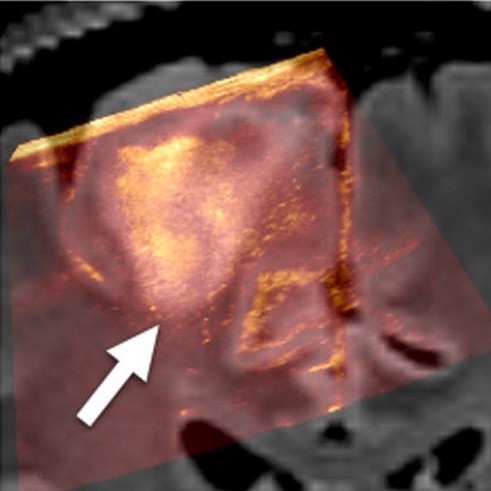
Multimodal Image Registration: Comparison of Methods for 3D MRI to 3D Ultrasound Image Registation
EECS 556:Image Processing final project which compares and augments 3 methods for multimodal image registration/alignment.
Ultrasound and MRI use different technologies to create images, but both are commonly used for medical imaging. This project
attempts to use biological structures and image processing algorithms to guide an image registration process.
We used and compare Linear Correlation of Linear Combination (LC^2), Structural Similarity Context (SSC), and Deep Learning
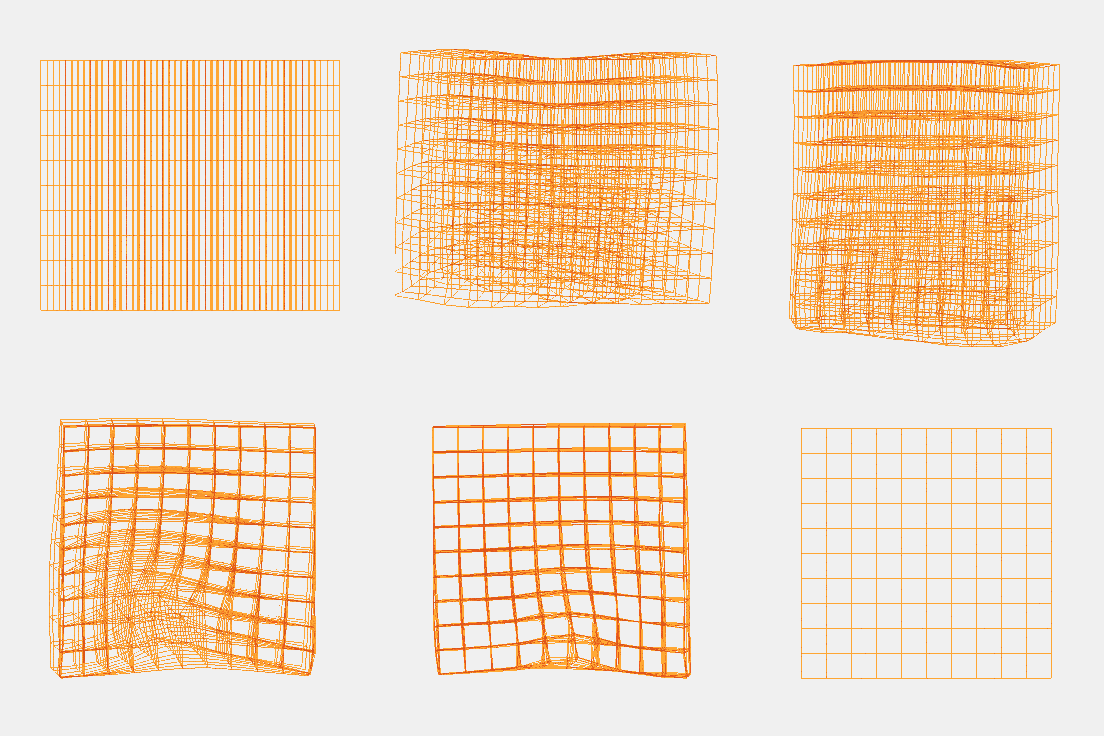
with a novel, differentiable DICE loss to register the images. Pictured above is a Dense Deformation Field (DDF), which is a description of
a non-linear deformation of some 3D volume, and the output of our Deep Learning model.
This work won first prize among 13 graduate projects in a KLA-sponsored competition.
Image credits:
Tile: REtroSpective Evaluation of Cerebral Tumors (RESECT)
Dense Deformation Field: DeepReg
Classification of Moving Objects via Change Detection and XNOR Networks in Real Time
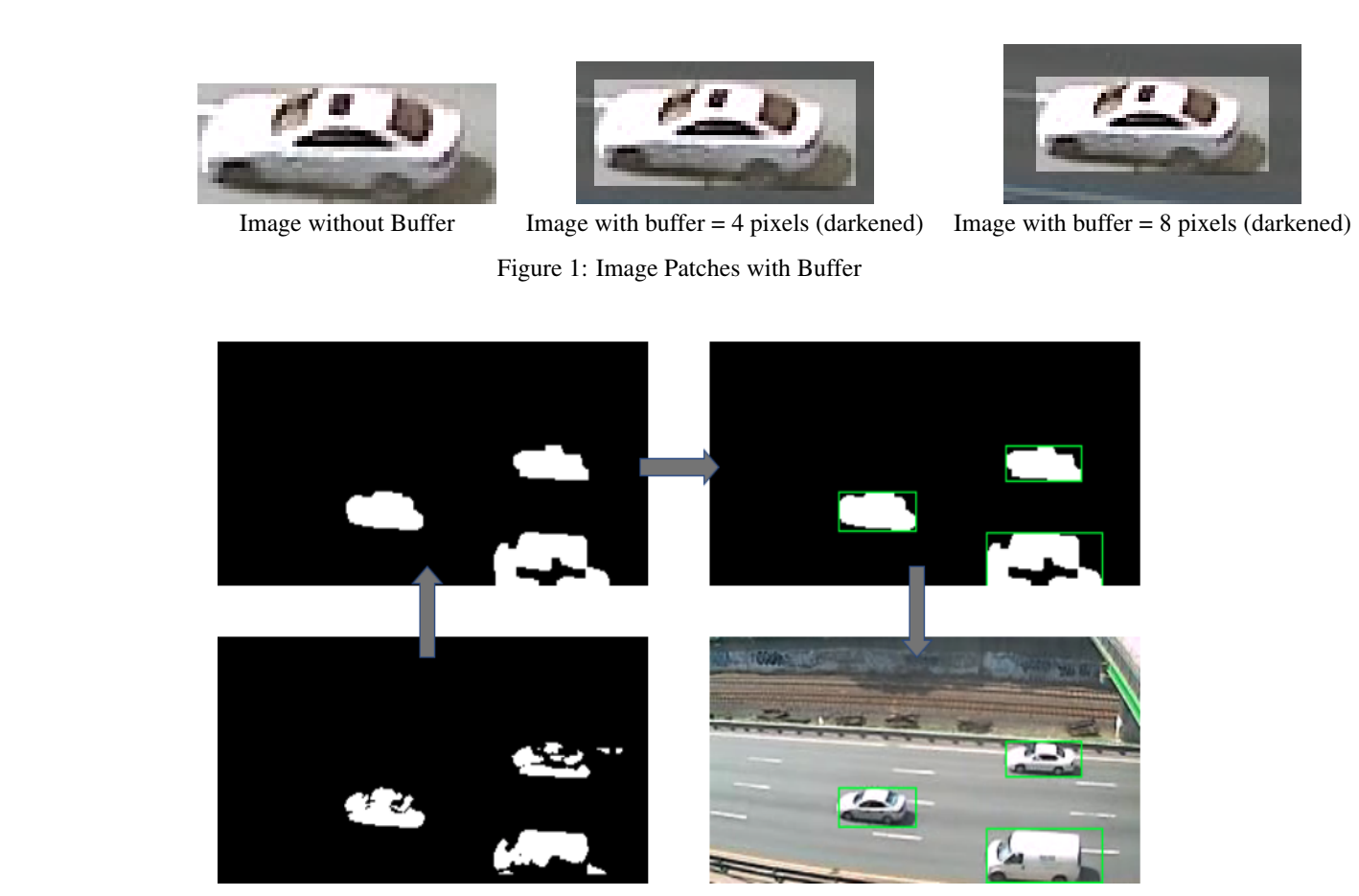
EECS 545: Machine Learning final project which used fastMCD change detection algorithm along with Binary Weight and XNOR networks to classify objects. Outperformed state of the art YOLO approaches in FPS, IOU, and classification accuracy.
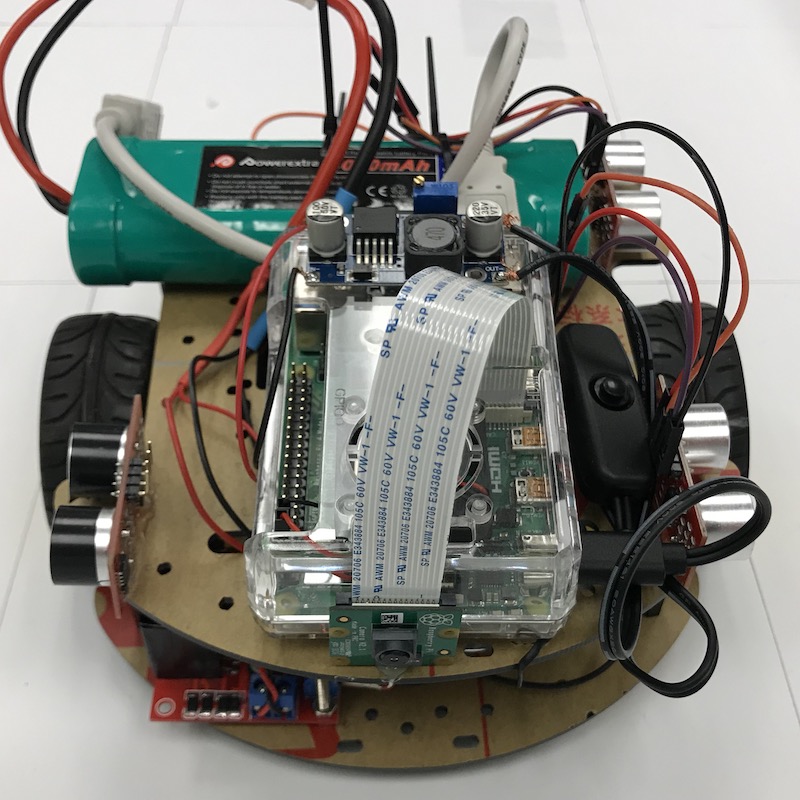
Hive Mind: An Autonomous, Distributed Mapping System
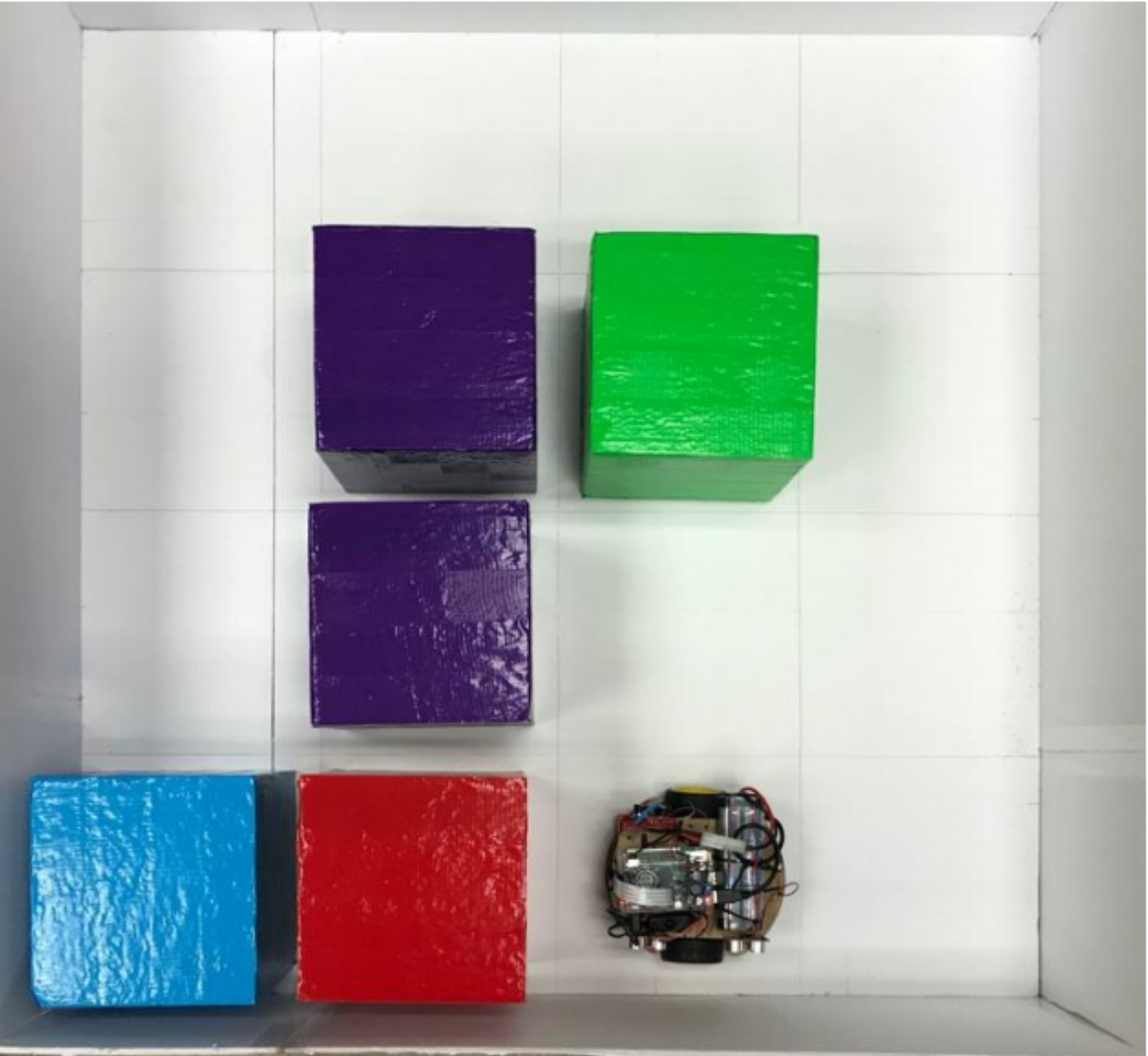
EECS 452: Digital Signal Processing Design Lab final project which used multiple agents to explore a maze environment using ultrasonic sensors, wheel encoders, Arduino microcontrollers, and a network of Raspberry Pis. Directed project team’s progress, and implemented an asynchronous, mapping system using socket network programming.
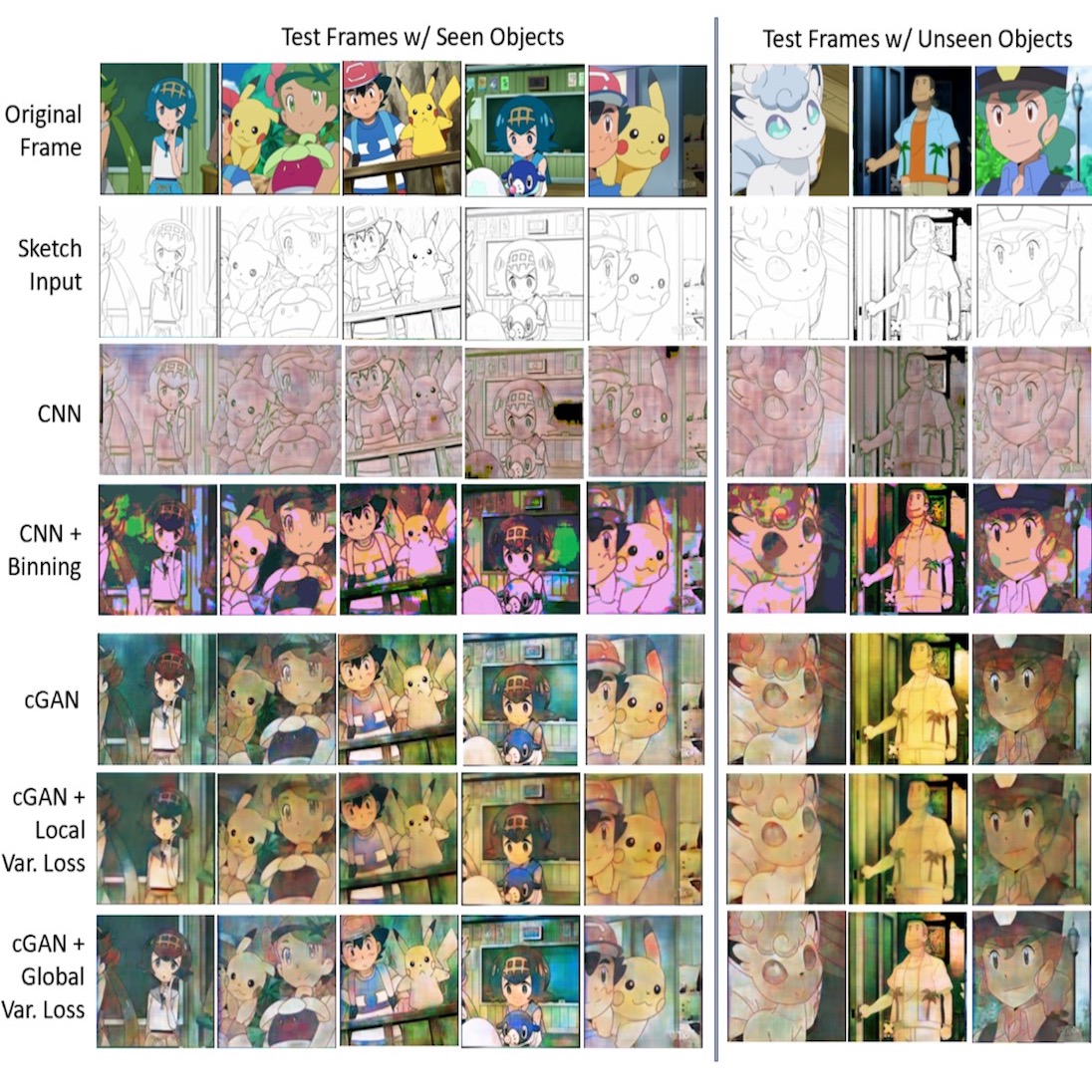
Automatic Colorization of Animation Frames
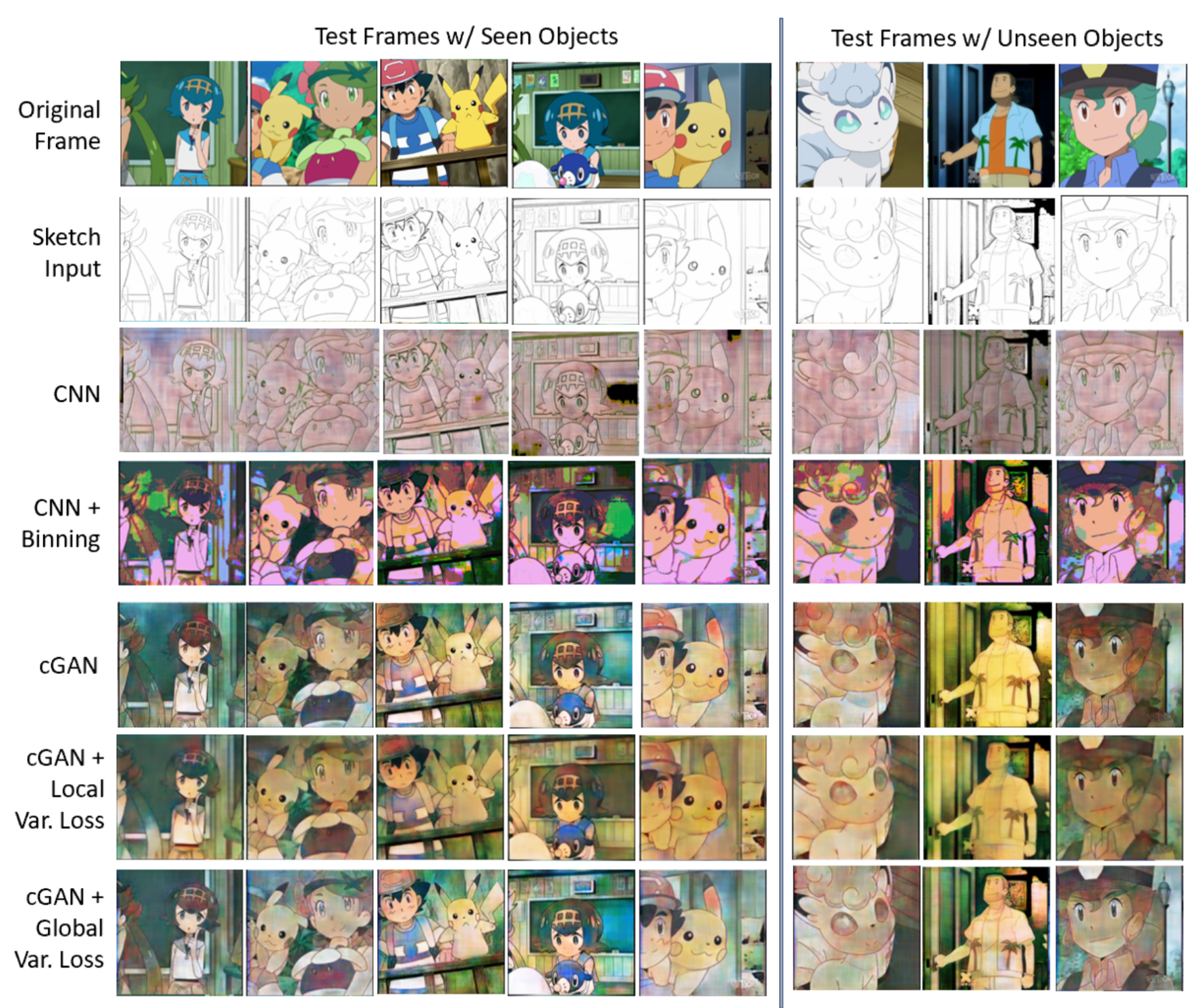
EECS 442: Computer Vision final project which evaluated several approaches including Convolutional Neural Networks and Generative Adversarial Networks to automatically colorize images. Utilized pytorch and scikit-learn to implement neural networks.
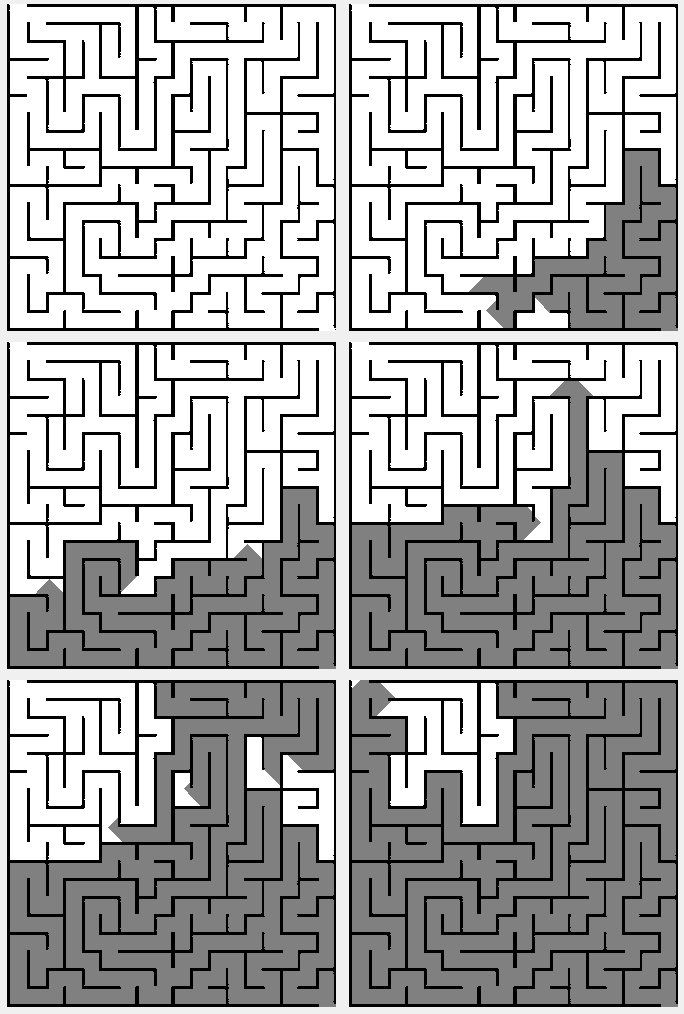
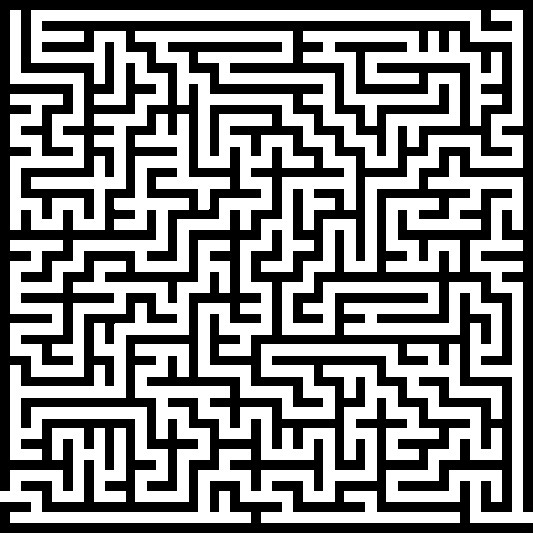
Automatic Maze Solver
EECS 351: Introduction to Digital Sigal Processing course final project which automatically solves mazes parsed from images. Automatically detects maze entrances, compresses image via convolution to reduce redundant information, then compares solutions of A* search, BFS, or MATLAB watershed algorithm.
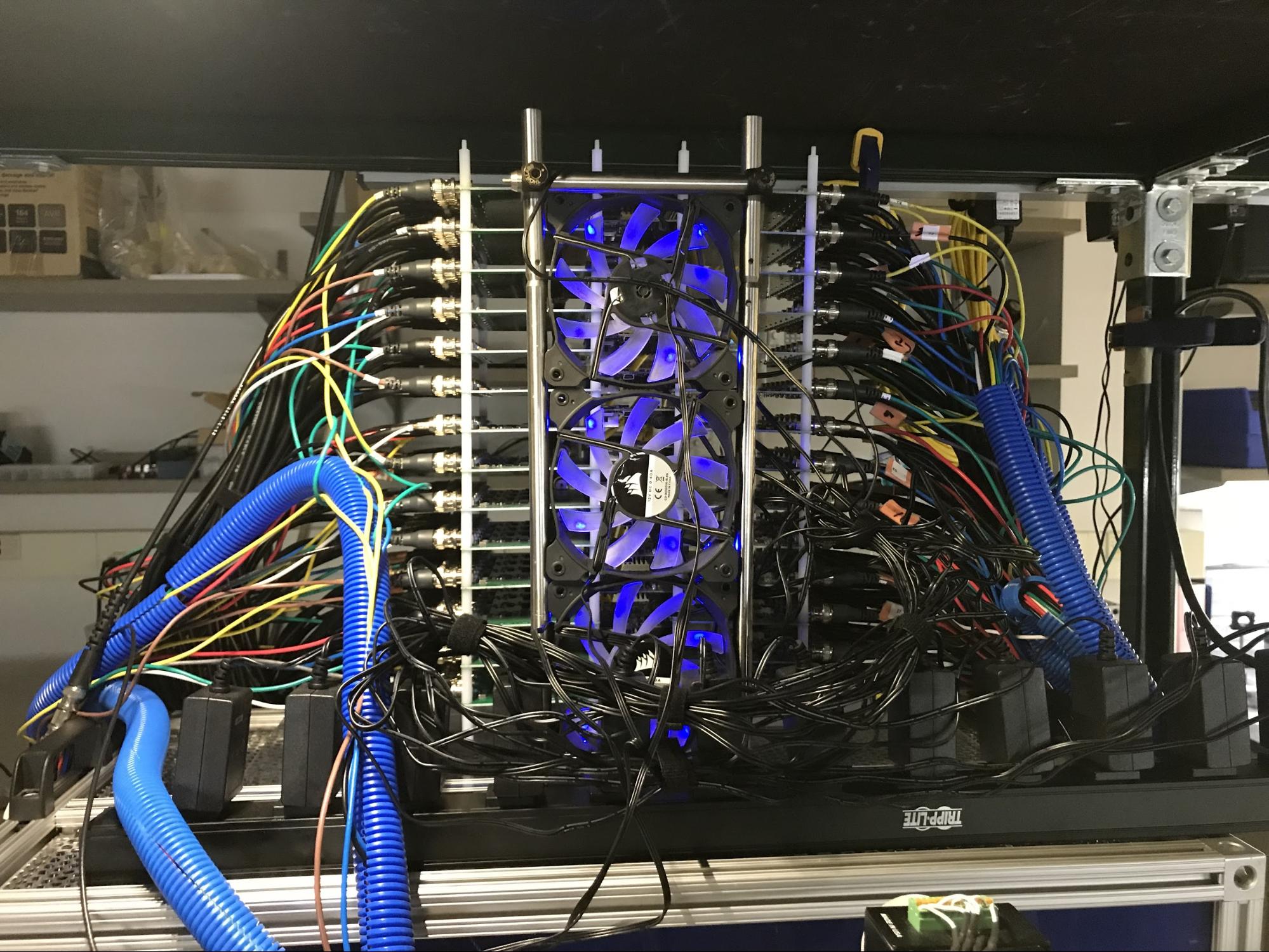
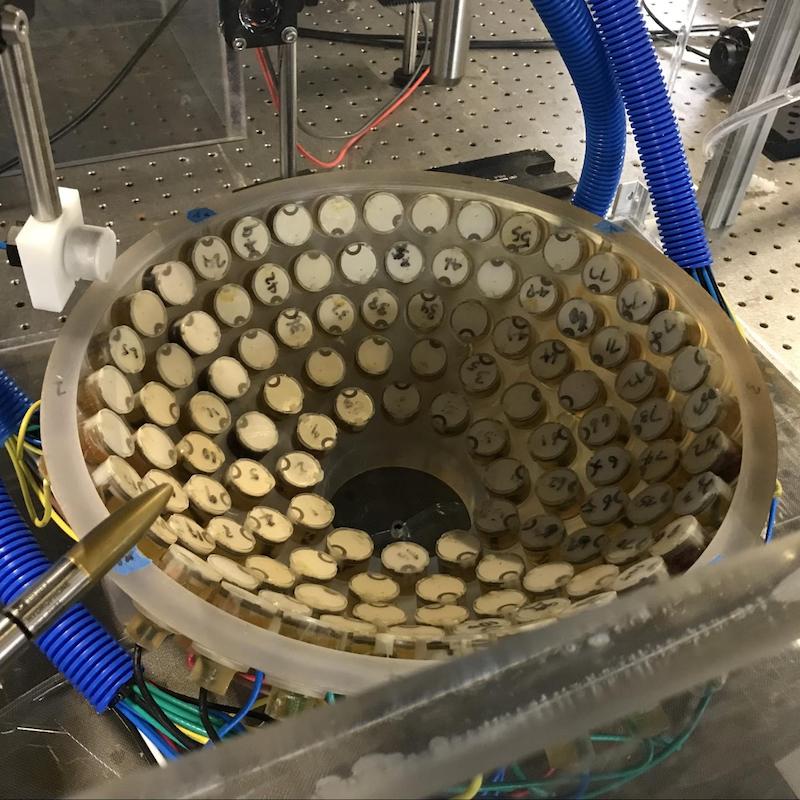
Lab Assistant - Therapeutic Ultrasound Group
Developed a multi-layered application using networking fundamentals including socket programming to interface with, command, and retrieve data from an FPGA network.